Washoku 101: Why Japanese Meals Feel Perfectly Balanced
和食 is Japan’s traditional culinary culture built on harmony — harmony with nature, within the meal itself, and among the diners who share it. Understanding a few core principles will help you appreciate everything from a humble lunch set to a multi-course kaiseki feast.
The Spirit of Seasonality
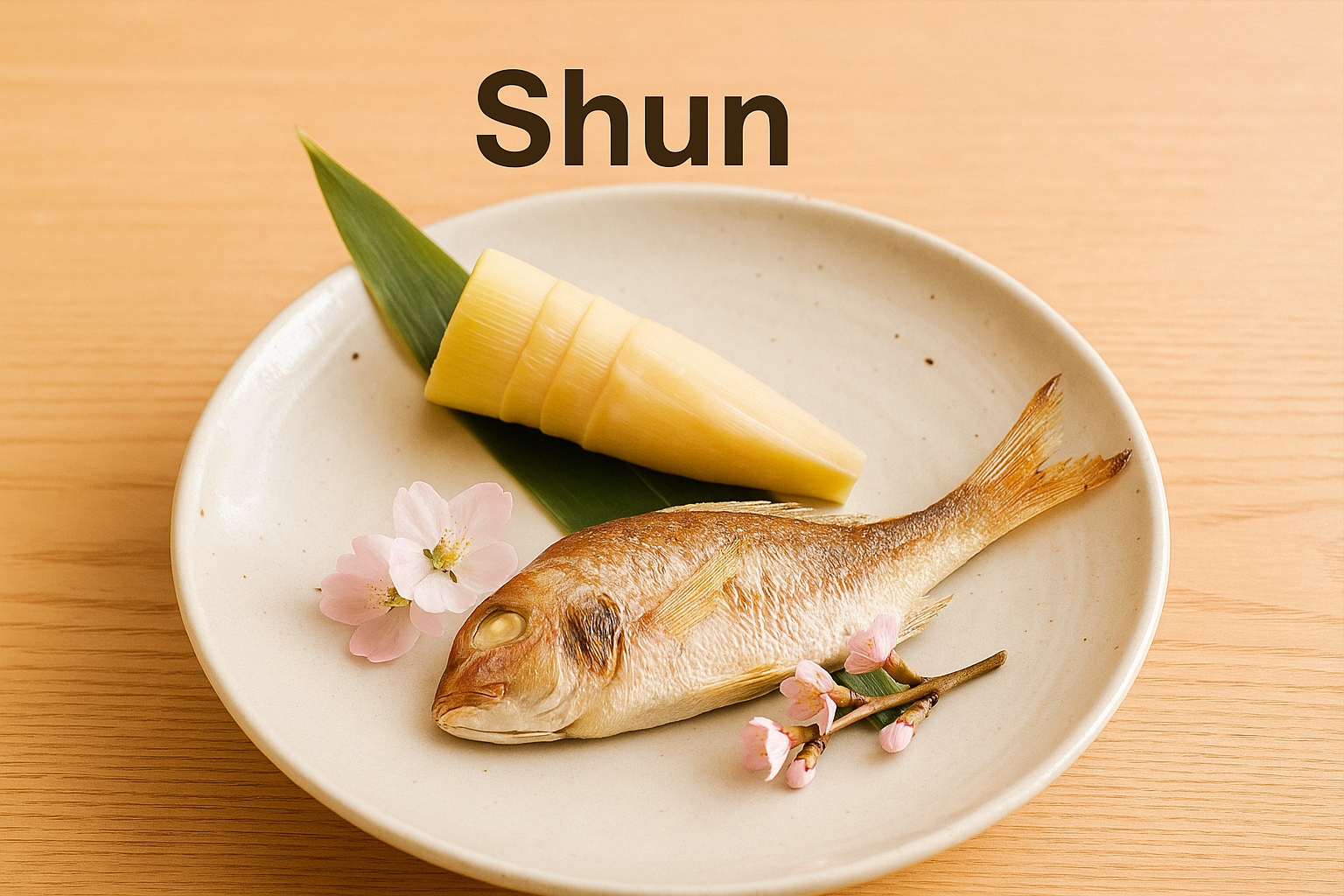
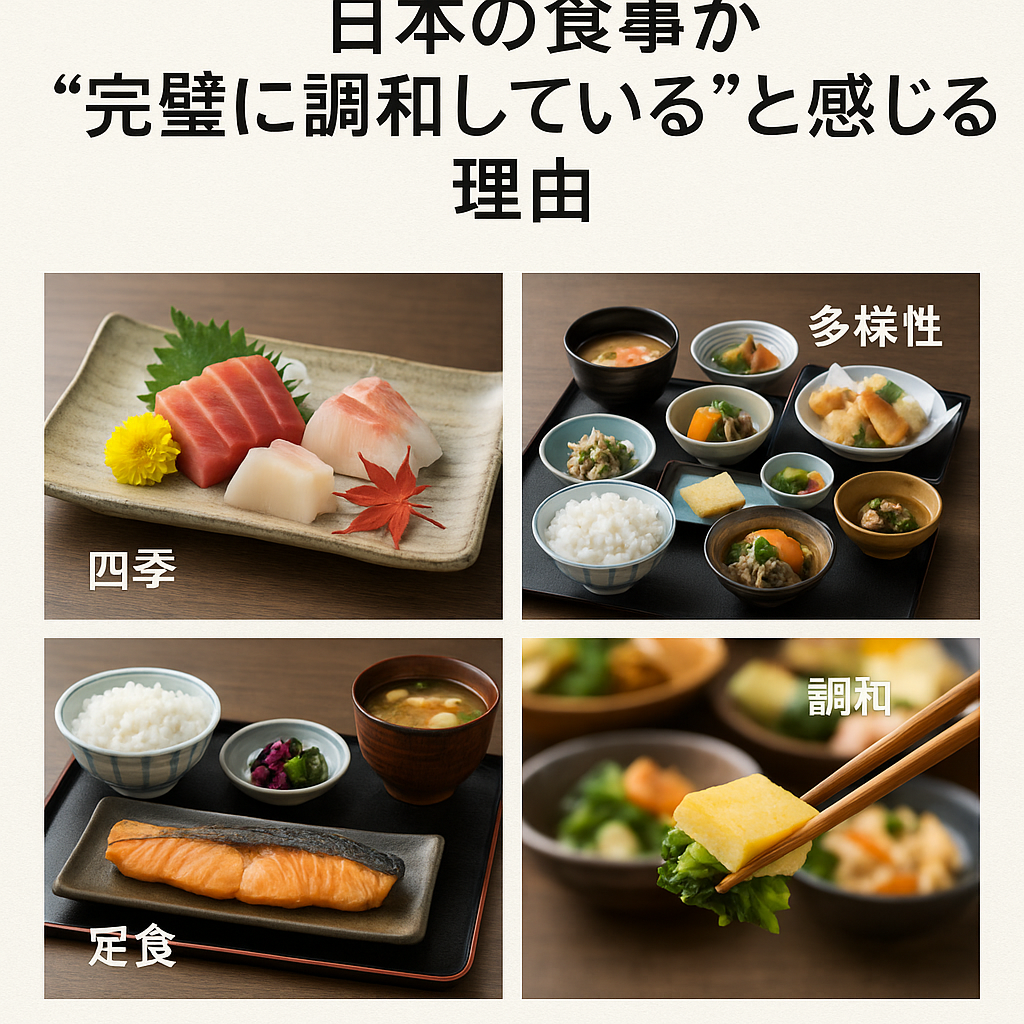
Japanese cooks prize shun — the fleeting moment when each ingredient is at its absolute peak. Menus change monthly (sometimes even daily) to showcase seasonal produce and seafood. Look for bamboo shoots and cherry blossom leaves in spring, sweetfish and eggplant in summer, chestnuts and matsutake mushrooms in autumn, and snow crab plus daikon in winter.
The Three “Fives” of Washoku
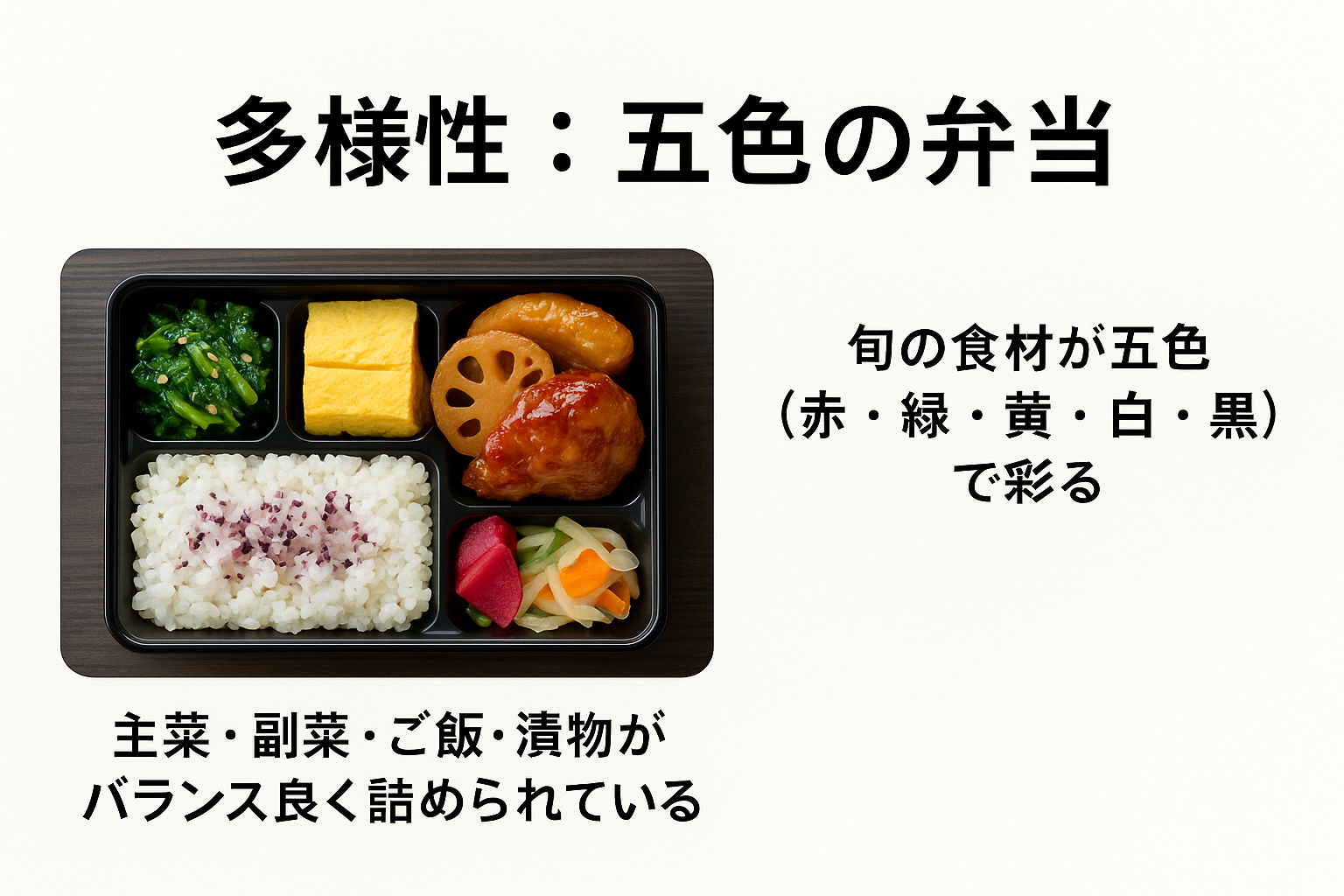
- Five Colors (goshiki): red, yellow, green, white, and black/purple. A properly arranged meal should feature them all.
- Five Tastes (gomi): sweet, sour, salty, bitter, and umami.
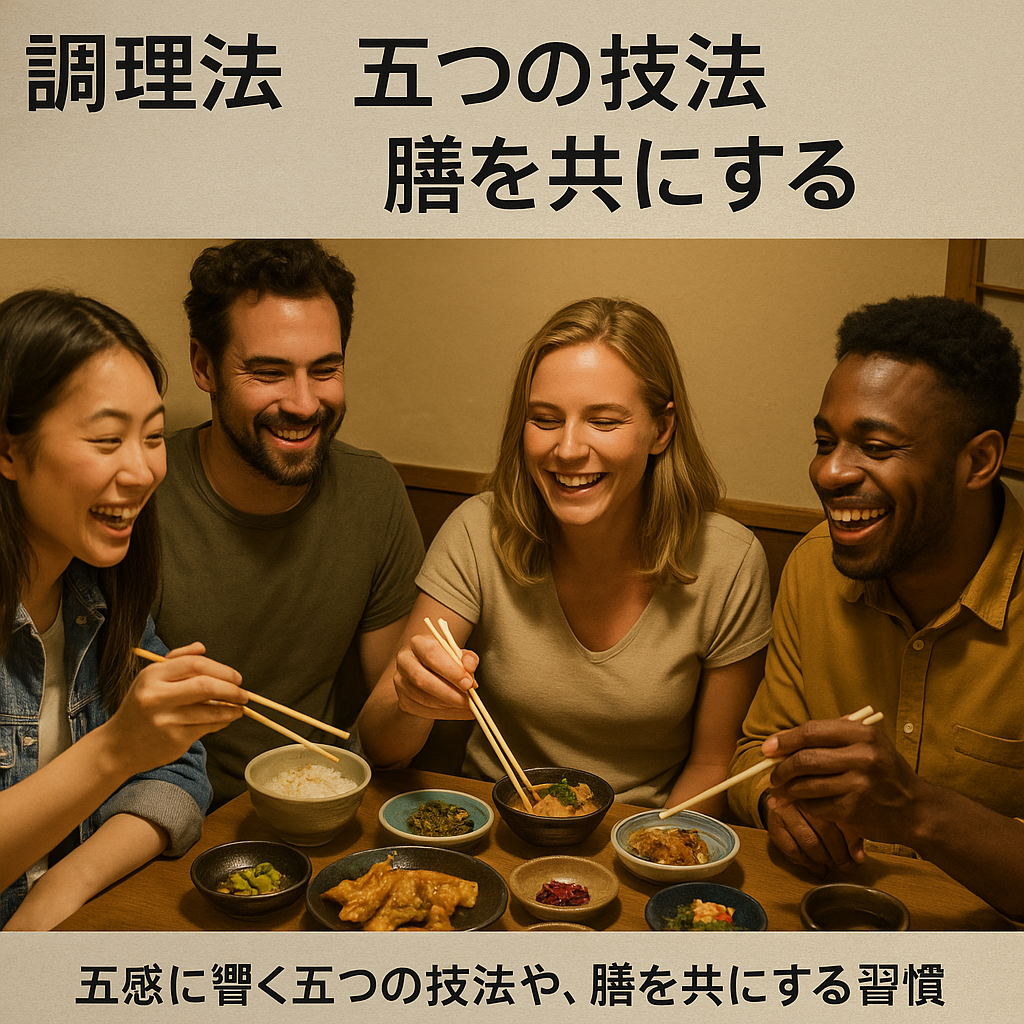
- Five Techniques (goho): raw, simmered, grilled, fried, and steamed/steeped.
When these elements appear together, the meal not only looks vibrant but also stimulates every corner of the palate and delivers a nutritionally rounded profile.
Ichijū-Sansai: One Soup, Three Dishes
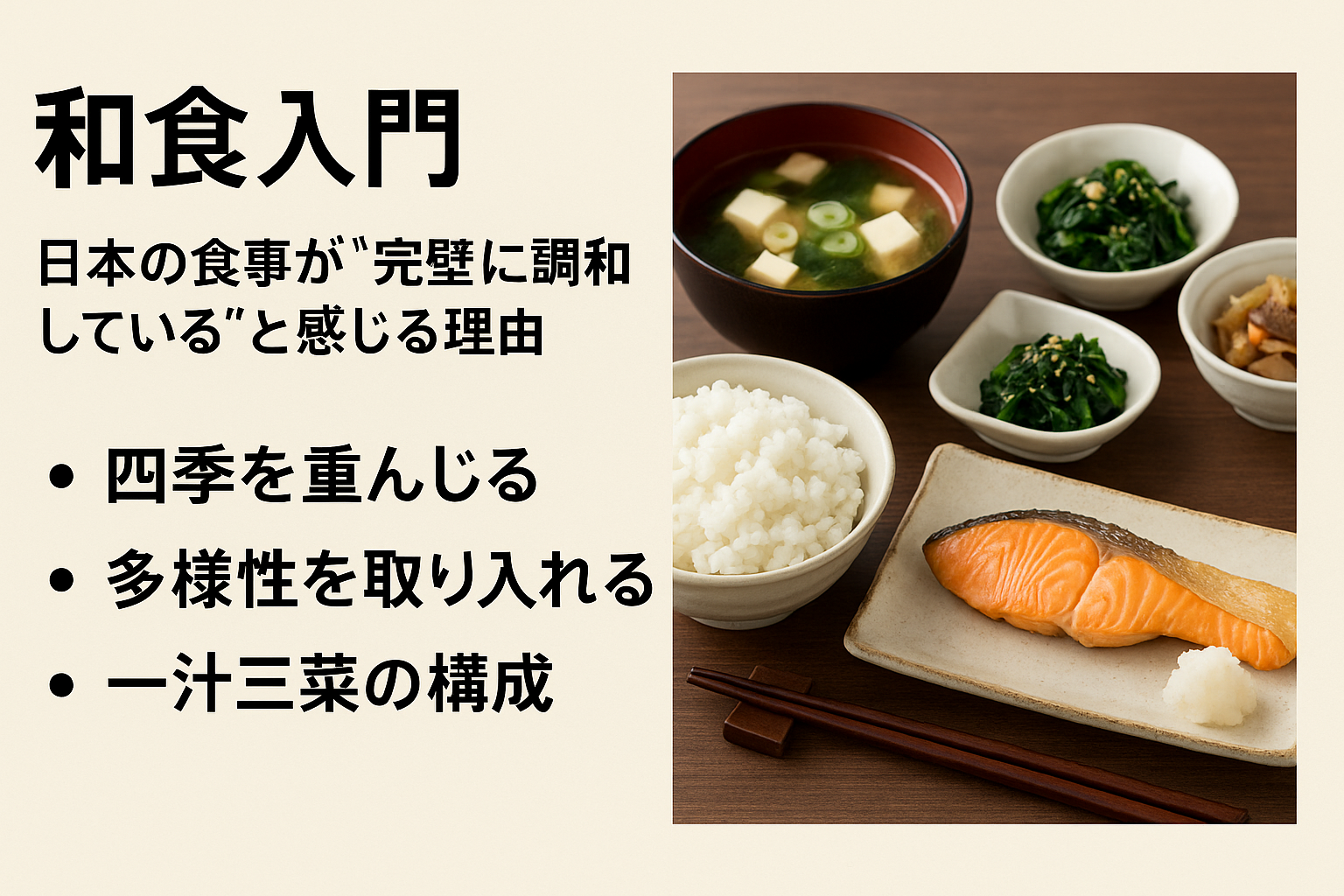
The classic home-style meal structure is called ichijū-sansai (一汁三菜): one soup and three dishes served alongside rice and pickles. Typically you get a protein-forward main, two seasonal side dishes (often vegetables), and a miso soup — a formula that naturally incorporates the three “fives.”
Where to Taste Balanced Washoku in Tokyo
Everyday Harmony: Teishoku Lunch Sets
Ootoya Shinjuku West Exit Branch — This nationwide chain began in Tokyo in 1958 and still champions the ichijū-sansai format. Grab a salmon set and note how the rice, miso soup, grilled fish, simmered veggies, and pickles tick every box of the five-color philosophy. Open in Google Maps
Kaiseki Fine Dining
Kagurazaka Ishikawa (Three-Star Michelin) — Chef Hideki Ishikawa’s multi-course kaiseki meal is the gold standard for seasonal harmony. Expect 10+ courses that showcase peak-season ingredients in artful progression. Open in Google Maps
Buddhist Shojin Cuisine
Daigo (Two-Star Michelin; near Tokyo Tower) — Founded near a temple, Daigo elevates plant-centric shōjin ryōri while following the five-colors principle with meticulous precision. Open in Google Maps
Traditional Breakfast
Tsumugi (Asakusa Culture and Tourism Center) — Start your day with their famous “31-item breakfast,” a modern riff on ichijū-sansai that presents micro-portions from all five colors. Open in Google Maps
Hands-On Cultural Experience
ABC Cooking Studio (Ginza) — Book an English-friendly class where you’ll cook miso soup, grilled fish, and vegetable sides to create your own balanced home-style set. Open in Google Maps
Tips for Savoring Washoku
- Enjoy rice and soup in alternating bites; they reset your palate between flavors.
- Try to identify the five colors and tastes on your tray — it’s a fun mini-game that sharpens appreciation.
- Say “itadakimasu” before eating and “gochisōsama” after to honor those who prepared the meal.